Dry eye is one of the most common reasons for consulting an ophthalmologist, after sight tests. This very common disease affects the surface of the eye and the eyelids. There are several different kinds of dry eye:
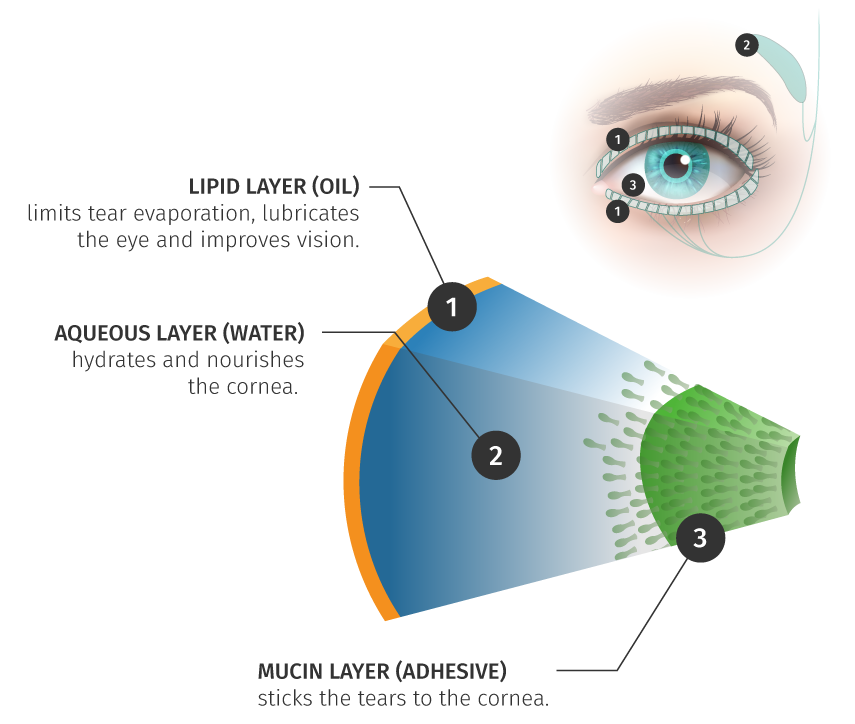
Tear film
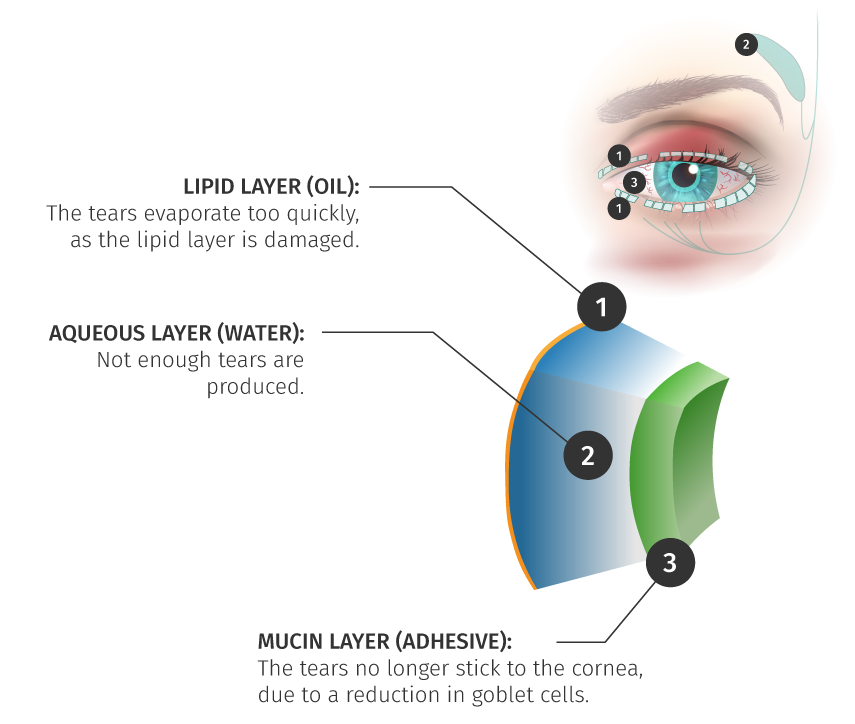
Dry eye may be related to a change in the quantity or quality of the tear film:
Lipid layer : lack of or poor-quality oil in the tears
Aqueous layer : lack of or poor-quality water in the tears
Mucin layer : poor adhesion of tears to the surface of the eye
Eyelids
Dry eye may be associated with certain eyelid abnormalities:
Meibomian gland dysfunction (MGD)
Blinking : incomplete blinking
Telangiectasia --> small blood vessels in and/or on the eyelids
Blepharitis : inflammation of the eyelids
Demodex : presence of mites on the eyelashes
Ocular Surface
Dry eye may be related to abnormalities of the ocular surface:
Cellular damage : alteration of corneal or conjunctival cells
Corneal nerve dysfunction : disruption of sensitivity and tear regulation
Inflammation / Oxidative stress : weakening of the ocular surface
1
2
3
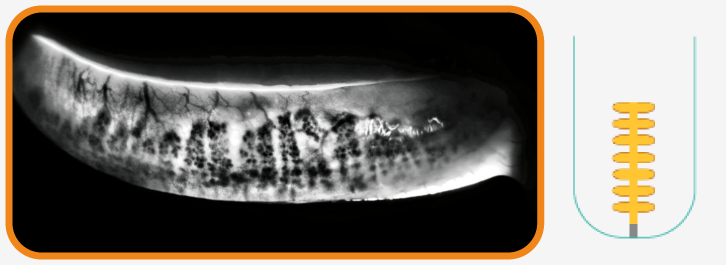
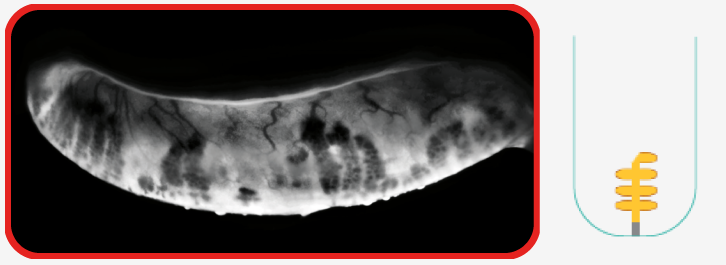
More than 80% of cases are linked to Meibomian gland dysfunction and eyelid inflammation.
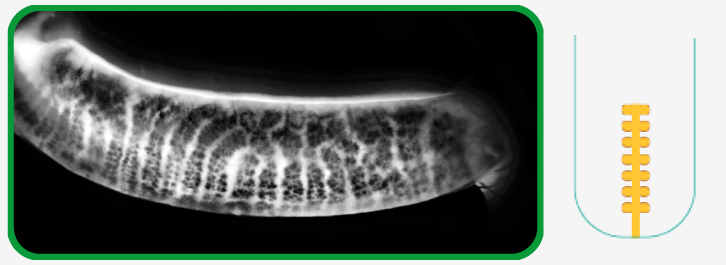
Healthy eye
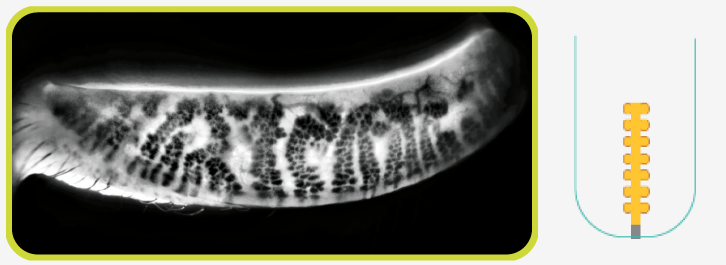
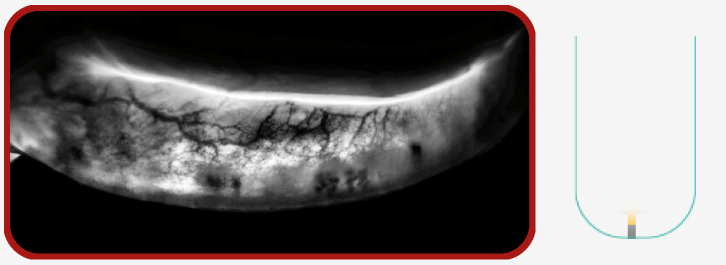
Dry eye
What do these typesof dry eye involve?
Abnormal tear evaporation, due to insufficient lipids (oil)
Insufficient tear production, due to insufficient water in the tears
Unbalanced tear composition
Low frequency, incomplete blinking
Inflammation of the eyelids
What are the meibomian glands?
The meibomian glands are small glands located in the upper and lower eyelids that secrete the lipid layer of tears. Dry eye associated with meibomian gland dysfunction is the most common form of dry eye and results in:
Reduced lipid (oil) production
Poor quality oil: the oil hardens and blocks the meibomian glands, meaning it cannot be released
Obstruction and atrophy of the meibomian glands
The resultant thinning of the lipid layer leads to excessive evaporation of the aqueous layer (water).
Dry eye can affect anyone, and has a wide range of causes:
AGE
When we get older, the lacrimal glands atrophy and no longer produce enough tears, or produce tears of poor quality.
HORMONE IMBALANCES
Women are more likely to suffer dry eye during pregnancy or after the menopause.
HEAVY SCREEN USE
Causes a reduction in the rate of complete blinks. We blink half as much when looking at a screen.
MEDICATIONS
Certain medications can cause dry eye, including antidepressants, painkillers, sleeping pills, antihistamines, acne drugs, diarrhoea drugs, hormone treatments, and preservatives in eye drops.
EYE SURGERY
Cataract surgery and refractive surgery (LASIK) can damage the surface of the eye and cause or worsen dry eye.
ENVIRONMENTAL CONDITIONS
Smoke, pollution, air conditioning, dry air, sun exposure.
CONTACT LENS USE
Long-term use of contact lenses can result in dry eye.
DEMODEX INFECTIONS
Demodex infections (parasites found in the eyelashes) can cause dry eye.
INFLAMMATION
Inflammation of the eyelids (blepharitis) is caused by conditions such as rosacea, seborrhoeic dermatitis, psoriasis, eczema and eye allergies.
AUTOIMMUNE DISEASES
Sjögren’s syndrome, rheumatoid arthritis, HIV, hepatitis etc.
EXCESSIVE MAKE-UP
Heavy use of make-up on the eyelashes and along the edge of the eyelids increases the chance of suffering from dry eye.
Unsure? Take the test and get your results in a few clicks
Think you may have dry eye? Take two minutes to assess your symptoms using the OSDI-6 questionnaire (six questions) provided on our site.
New imaging tests and IPL (intense pulsed light) treatments—all completely painless—are now available alongside a range of other diagnostic and treatment options for dry eye.